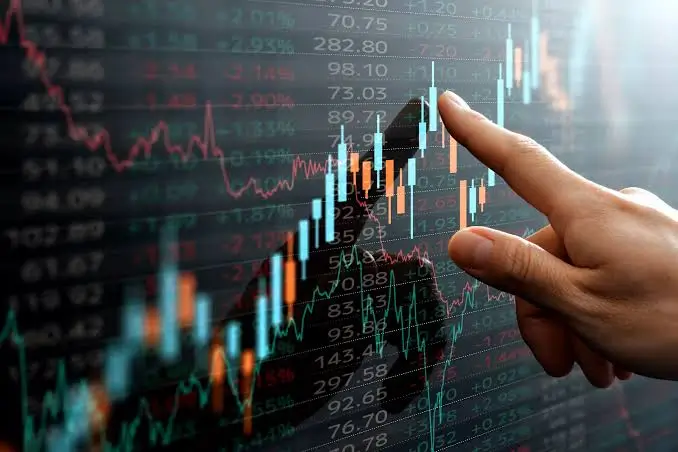
How Dollar-Cost Averaging Works With Cryptocurrency

How Dollar-Cost Averaging Works With Cryptocurrency
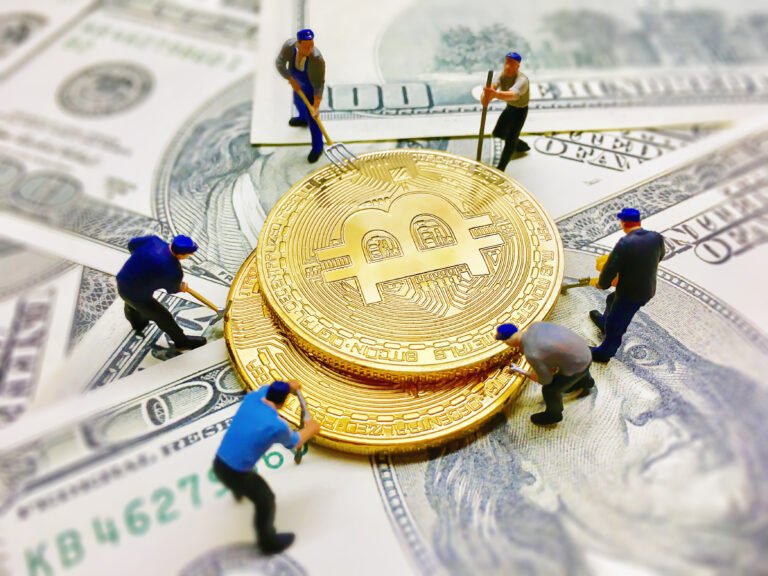
Dollar-cost averaging in crypto involves investing a fixed dollar amount at regular intervals, regardless of price. This cadence smooths exposure to volatile swings and aims for a lower average cost per unit over time. It reduces timing risk and dampens…

How Market Capitalization Influences Cryptocurrency Valuation

How Market Capitalization Influences Cryptocurrency Valuation

Market capitalization serves as a proxy for firm size, liquidity, and risk tolerance within crypto markets. Larger caps typically correlate with deeper order books, tighter spreads, and greater resilience during stress. Smaller caps exhibit higher illiquidity premia and sentiment-driven volatility.…

How Retrieval-Augmented Generation Improves AI Responses

How Retrieval-Augmented Generation Improves AI Responses

Retrieval-Augmented Generation pairs a strong generative core with access to external sources. This coupling anchors responses in verifiable passages, enabling precise citations and reduced hallucinations. By streaming results and caching data, RAG balances speed with accuracy while maintaining provenance. It…